Before baseball cards had a standard size, a familiar pack, or even a clear idea of what a card should look like, they appeared almost anywhere. These five cards carry us through that experimental era—from hand-cut strips and gum to dog-food promotions and the set that became the modern blueprint.
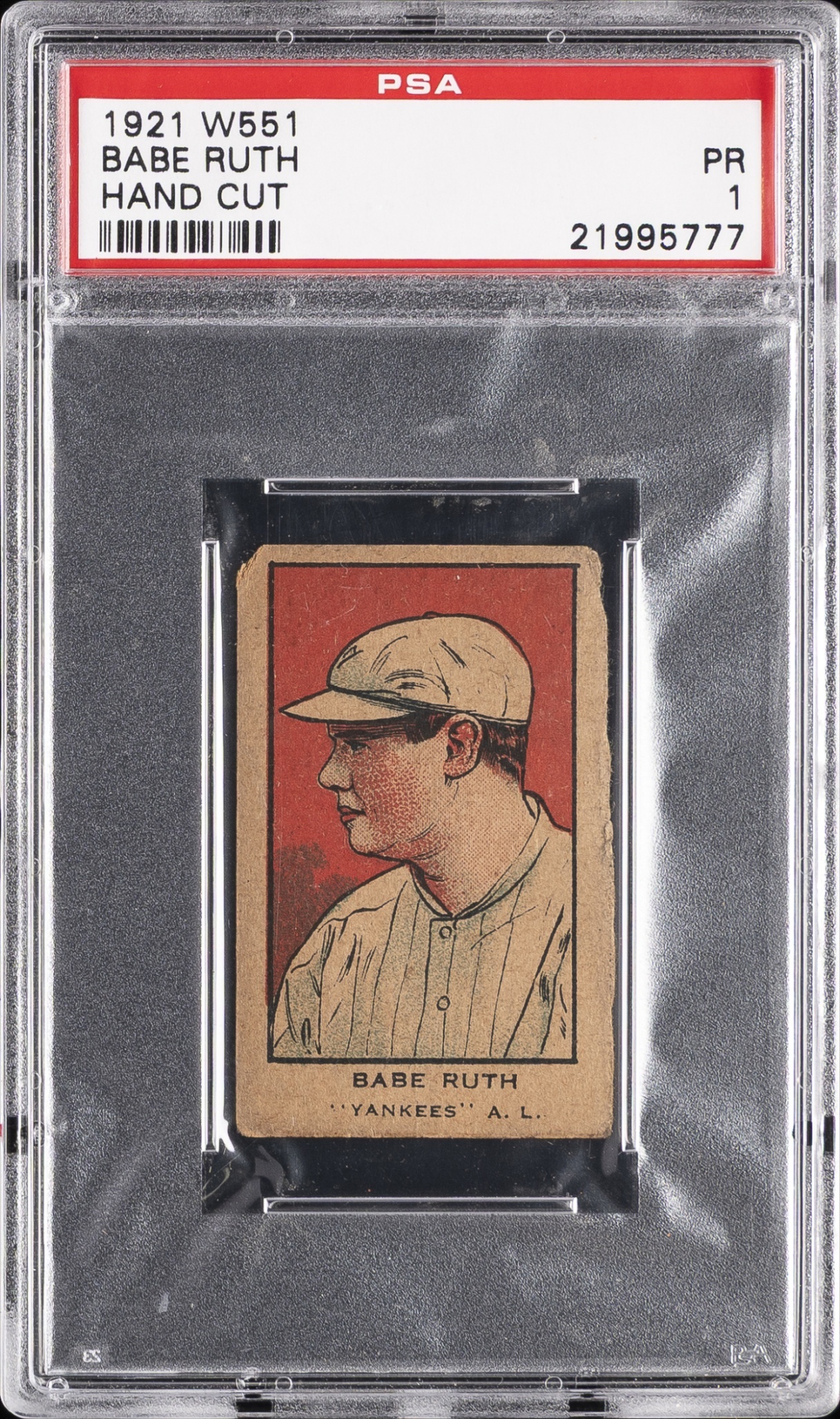
Babe Ruth and the hand-cut beginning
Our story begins with a 1921 W551 Babe Ruth, graded PSA 1. W551s were issued in strips and separated by hand, so uneven borders are not a flaw in the story—they are part of it. Before standardized packs and factory-perfect edges, collecting could literally begin with a pair of scissors.
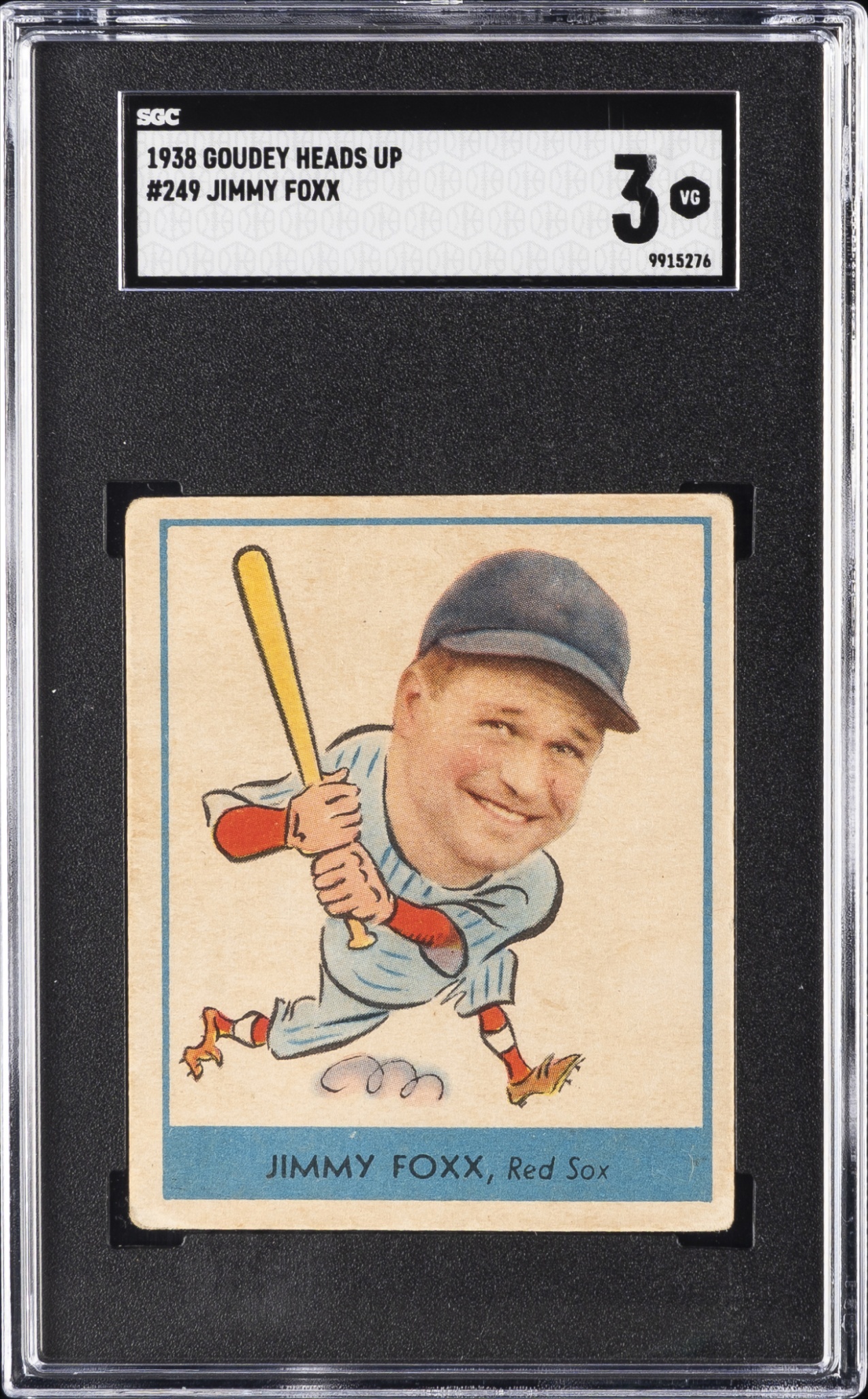
Jimmie Foxx and Goudey's experiment
By 1938, card makers were willing to get strange. The Goudey “Heads-Up” design paired a realistic oversized head with a much smaller illustrated body. Our Jimmie Foxx, an R323 #249 graded SGC 3, captures that wonderfully odd moment. It is playful, instantly recognizable, and nothing like the restrained tobacco cards that came before it. Foxx matched the outsized design with an outsized season: 50 home runs, 175 RBI, and a .349 average.
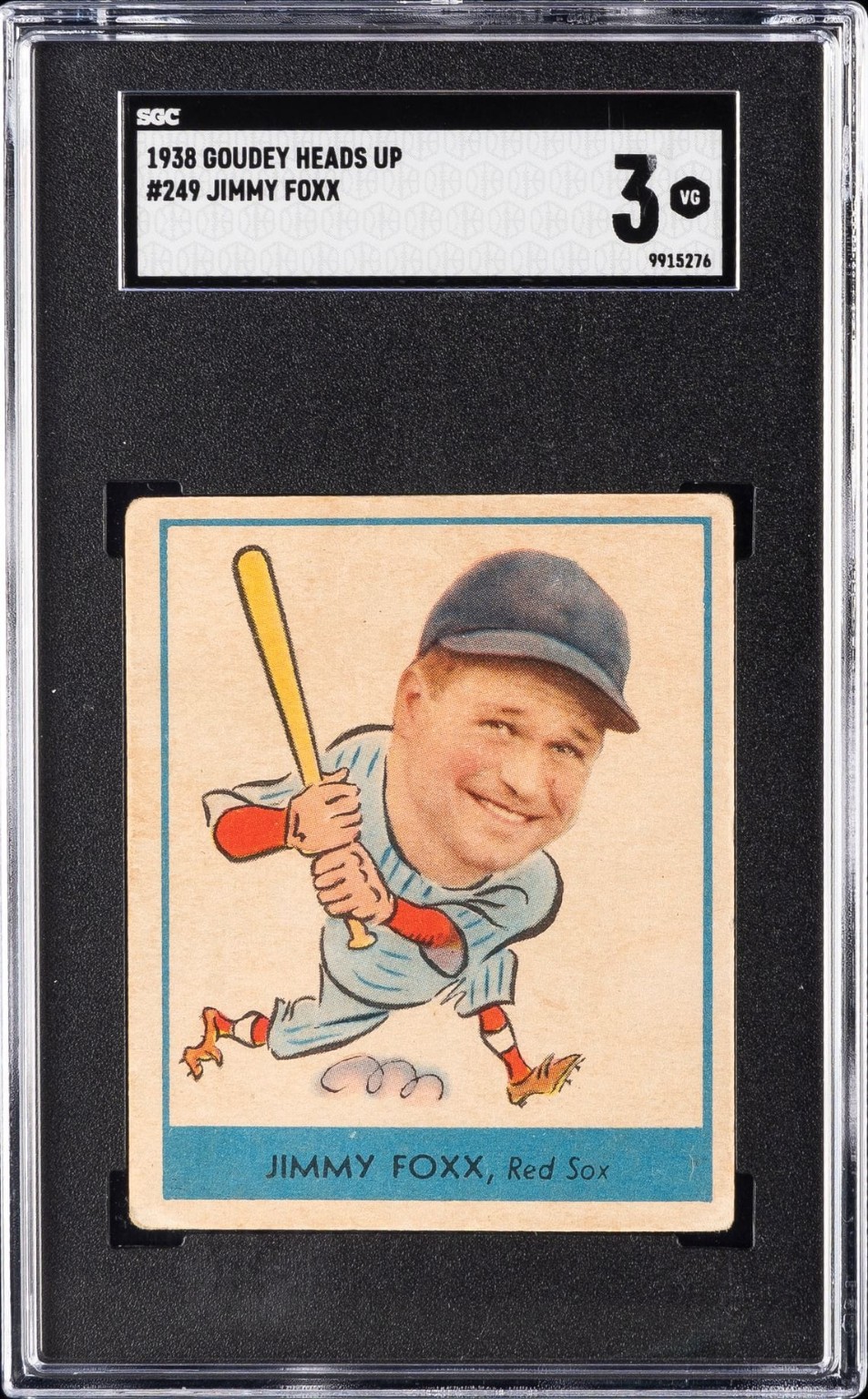
Ted Williams and the postwar return
The 1948 Leaf Ted Williams #76, graded SGC 6, brings the story into vivid postwar color. Leaf’s bold backgrounds and clean player portraits felt fresh after years in which major baseball-card production had largely disappeared. Williams hit .369 that season. He was already a superstar; the card looks like the hobby realizing it could be one again, too.
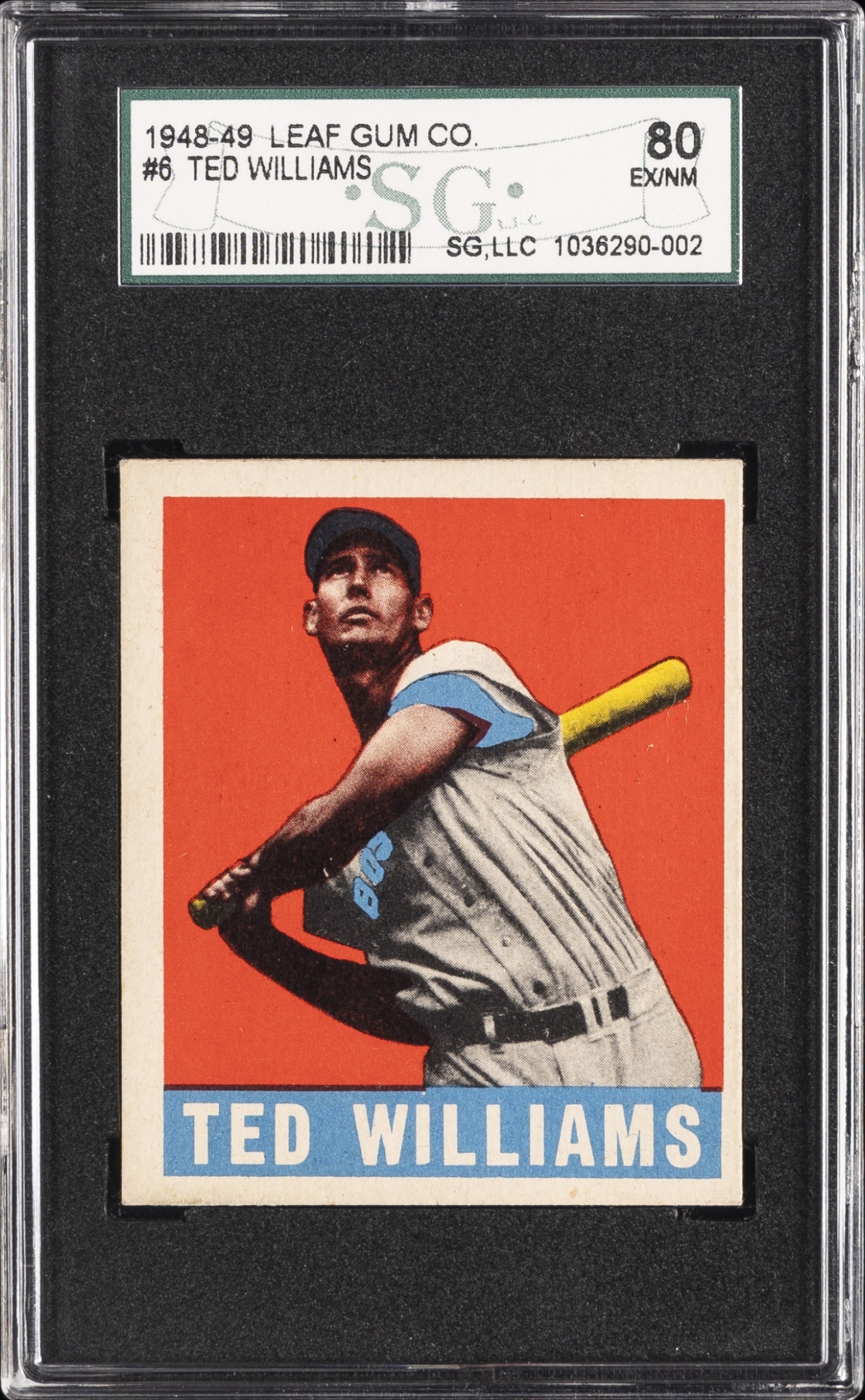
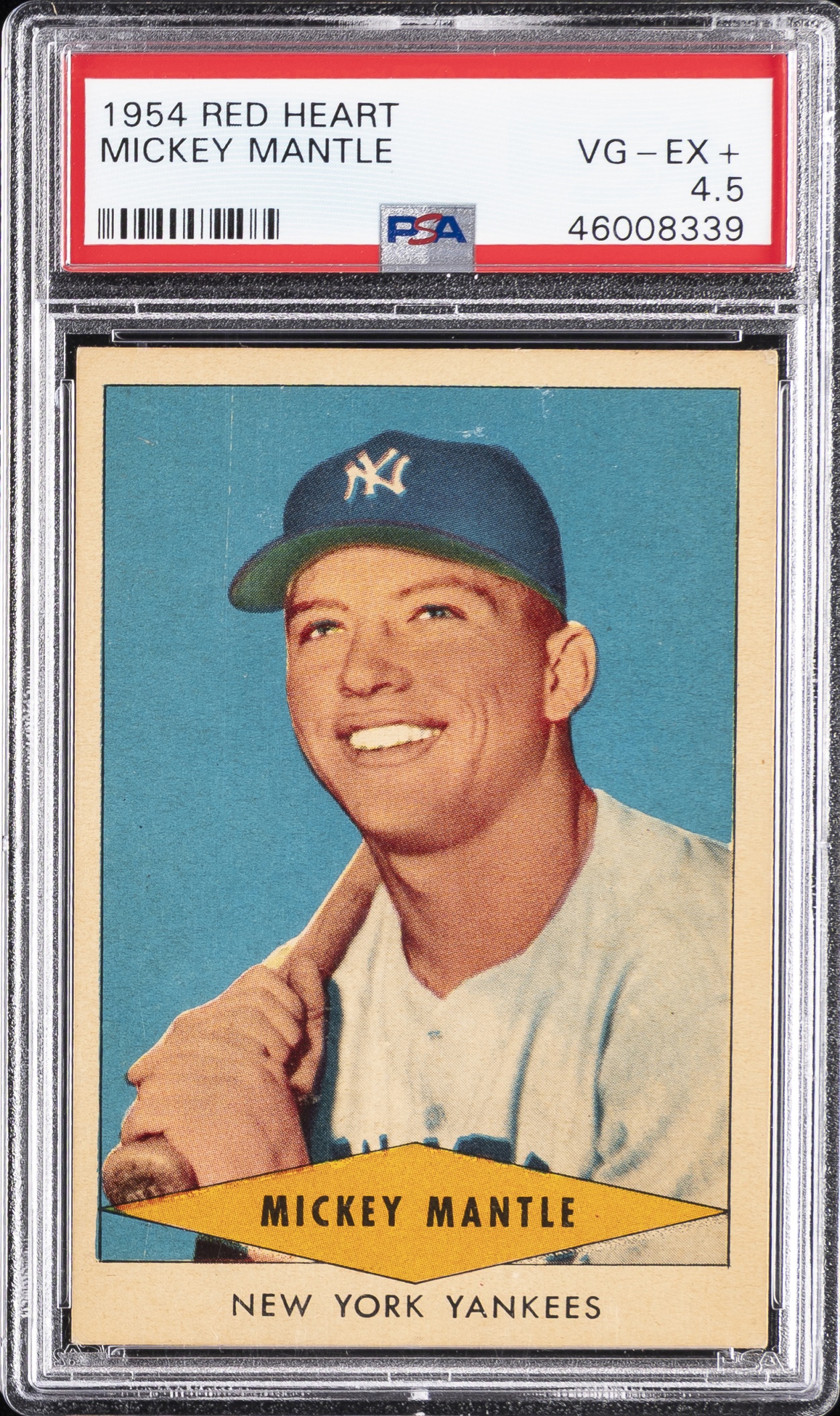
Mickey Mantle—from the dog-food aisle
Then comes one of the hobby’s best reminders that cards could appear almost anywhere: the 1954 Red Heart Mickey Mantle, PSA 4.5. These cards were offered through Red Heart Dog Food, turning saved labels from an everyday grocery purchase into a path toward Mantle, Musial, and other stars. Mantle hit .300 with 27 home runs and 102 RBI that season. Long before exclusive hobby shops and online drops, promotions like this put baseball cards into American homes by the most unexpected routes.
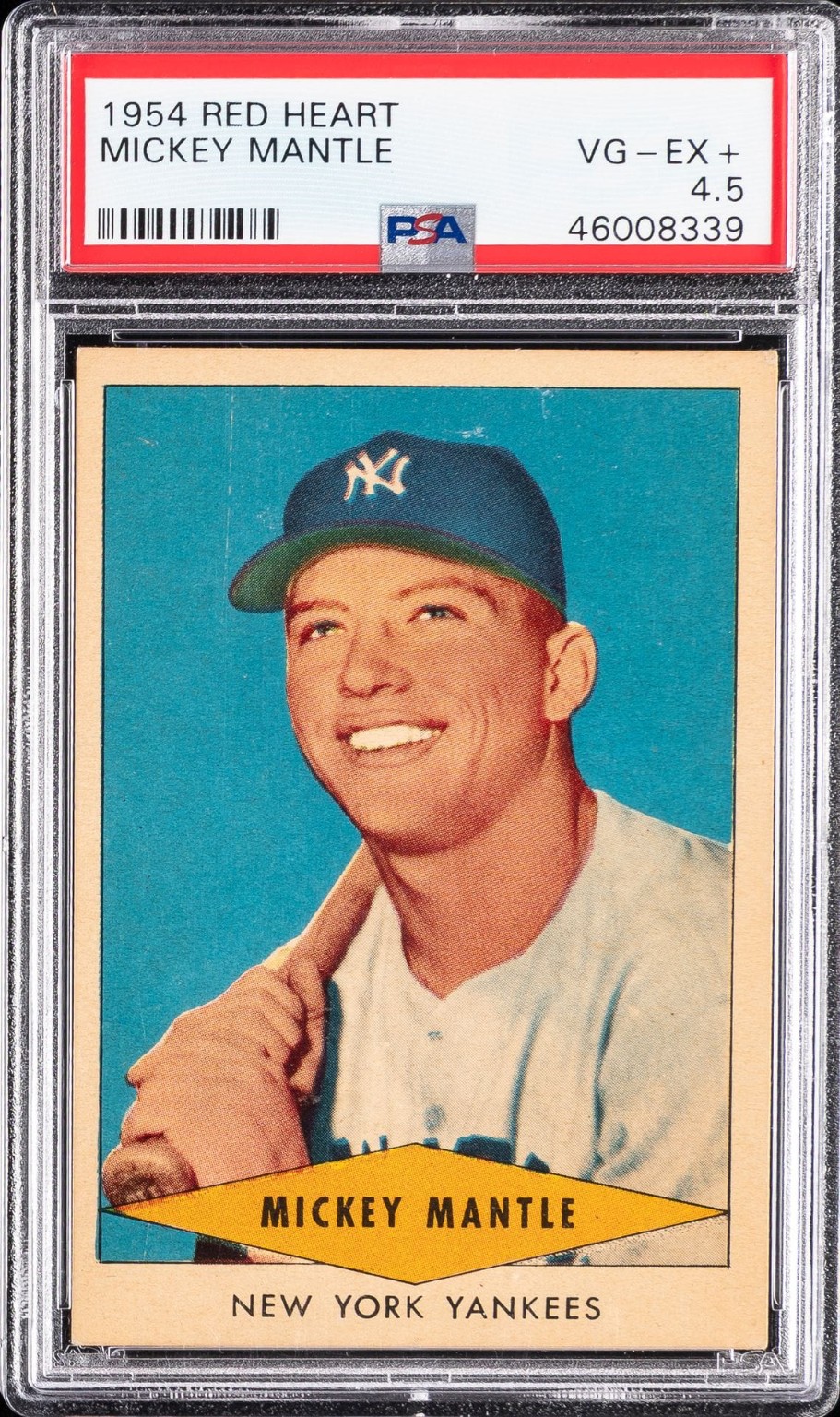
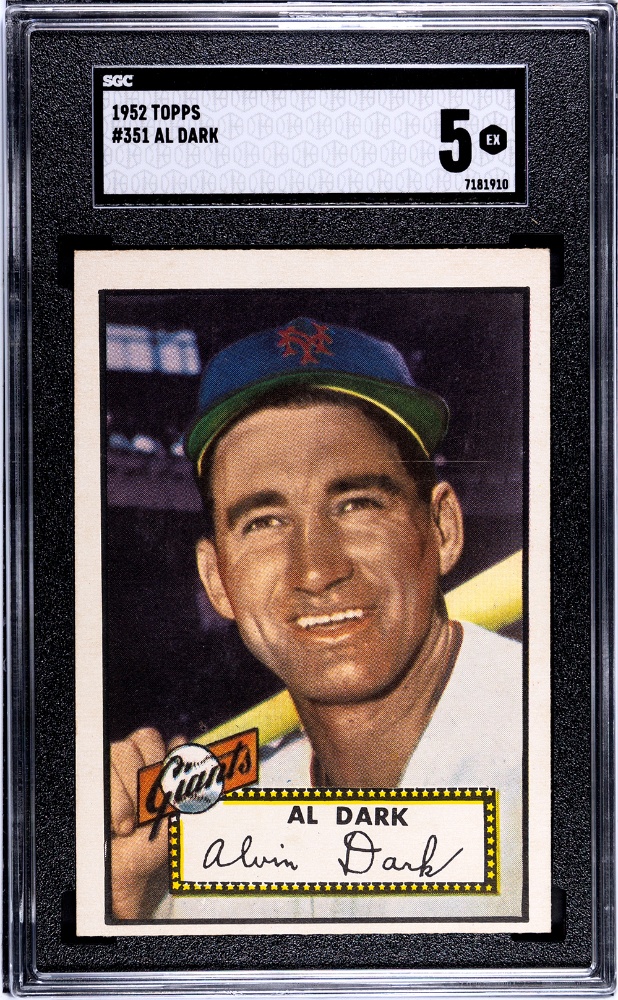
Al Dark and the 1952 Topps blueprint
A 1952 Topps Al Dark, SGC 5, brings the story to the set that established much of the blueprint for the modern baseball card: a larger format, strong photography, team identity, card numbers, statistics, and biography working together as one collectible object.
After hand-cut strips, experimental Goudeys, postwar Leaf cards, and even a dog-food promotion, the hobby had found a form collectors still recognize today.
The players made these cards matter. The changing designs show how the hobby learned to tell their stories.