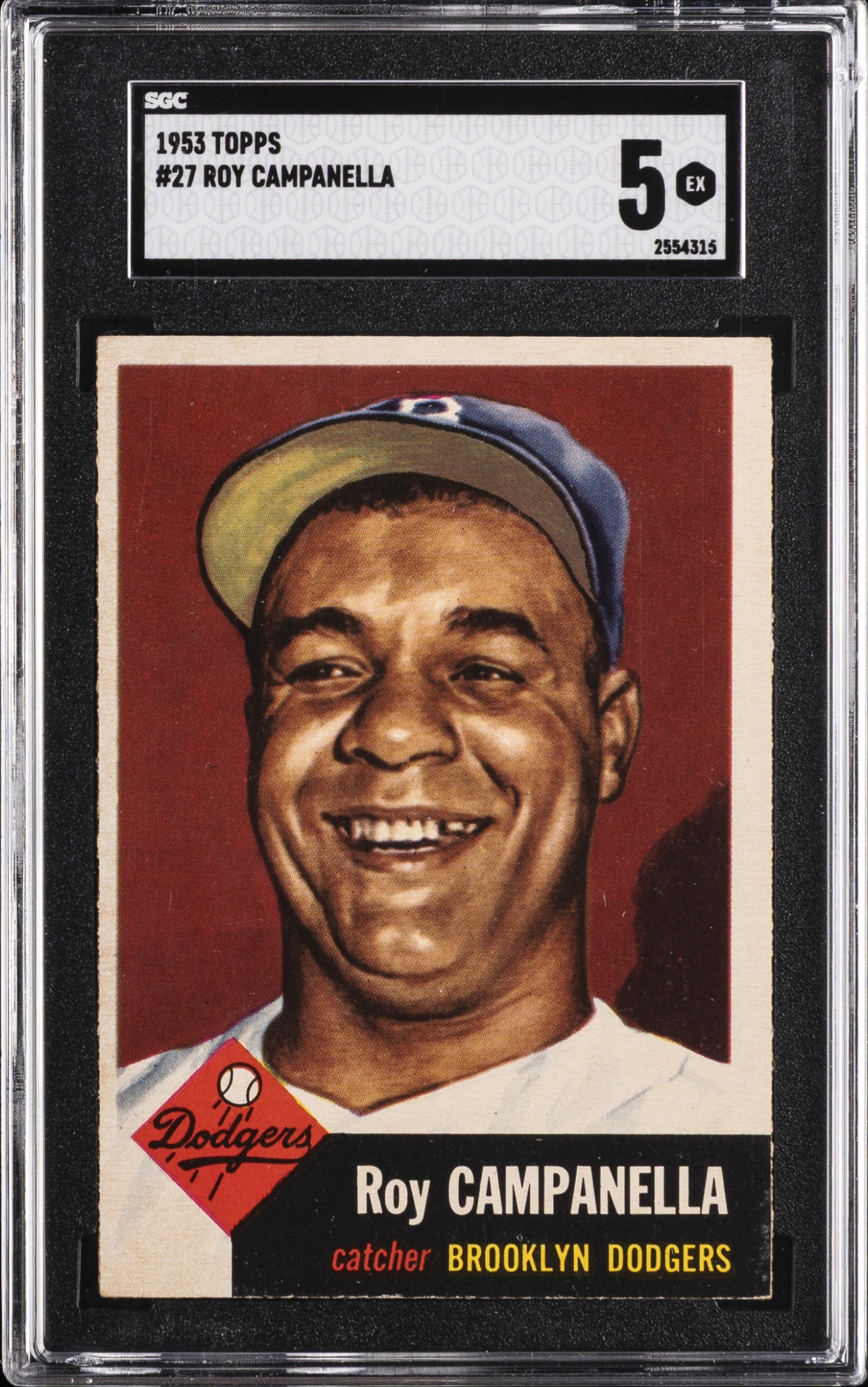
The 1952 Topps set did more than introduce a memorable design. Its large format, vivid portraits, team logos, statistics, biographies, and numbering system helped establish the basic vocabulary of the modern baseball card.
But the story changes when the checklist reaches card #311.
The scarce final series
Cards #311 through #407 formed the high-number series. They were released late in the season, when demand for baseball cards was fading and retailers were preparing for fall products. Fewer were sold, fewer were saved, and the remaining inventory became part of one of the hobby’s most enduring stories. The result is a run in which even common players can be serious collection pieces.
Bob Schultz starts the climb
Bob Schultz #401 sits near the very end of the checklist. His card makes the high-number lesson immediate: scarcity is not limited to Hall of Famers. Completing 1952 Topps means chasing every number, and cards like Schultz can be just as necessary—and stubborn—as the stars.
Dave Koslo and Billy Hoeft
Dave Koslo #336 continued the story. A dependable left-hander and a World Series veteran, Koslo represents the working players who give a set its depth. His card is desirable not because the hobby manufactured a modern “hit,” but because it survived a final series that reached stores at exactly the wrong time.
Billy Hoeft #376 reinforces the point. Every high number carries the same difficult distribution history. The name on the front changes; the collecting challenge does not.
Campy delivers the finale
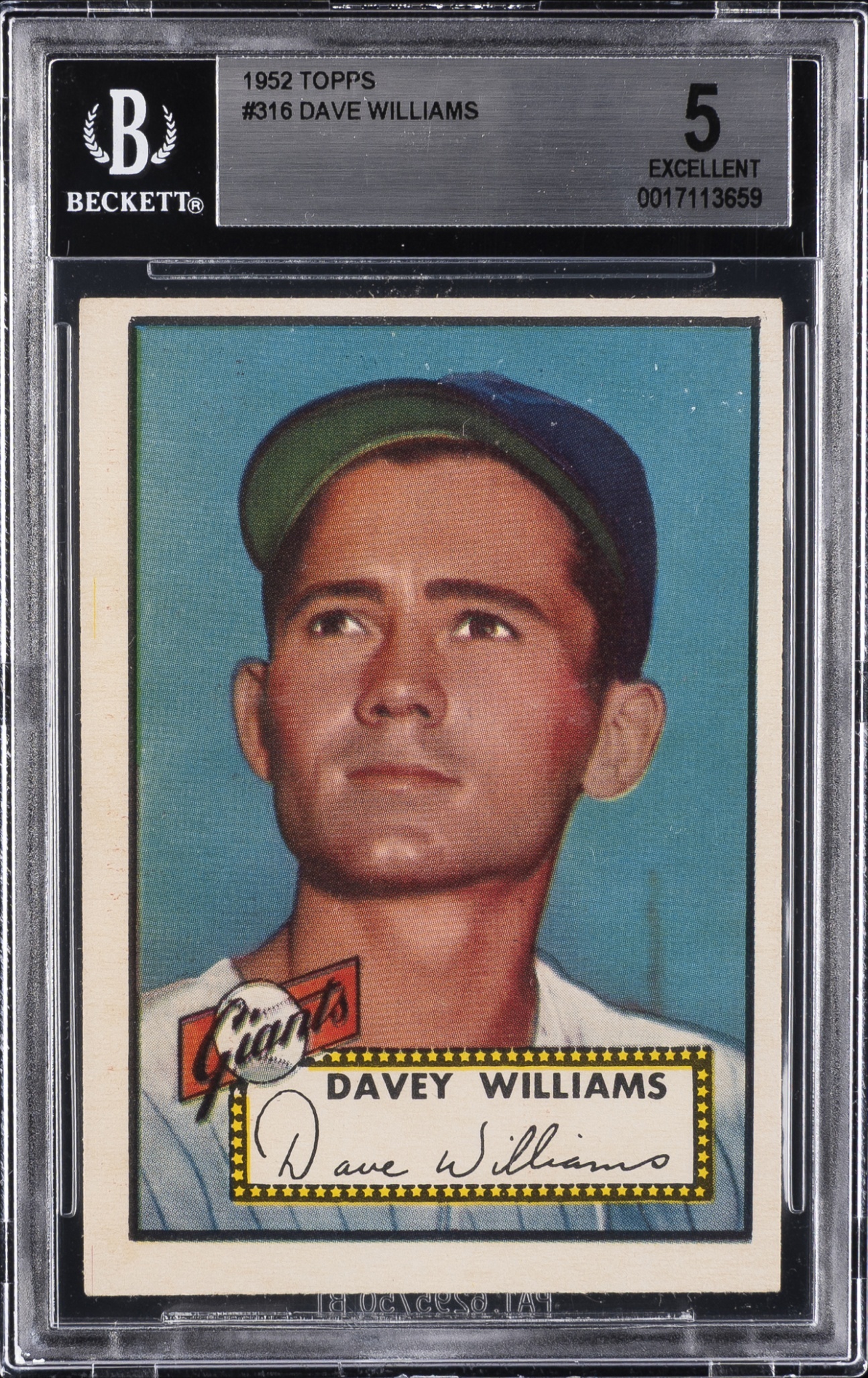
Roy Campanella #314 is the payoff. The Brooklyn Dodgers catcher was a three-time National League MVP and one of the defining stars of his generation. His card combines everything that makes the series compelling: the landmark design, a Hall of Fame player, and the scarcity of the high-number run.
The beauty of 1952 Topps may draw collectors in. The high numbers are what turn admiration into a chase.